
What Are Panic Attacks?
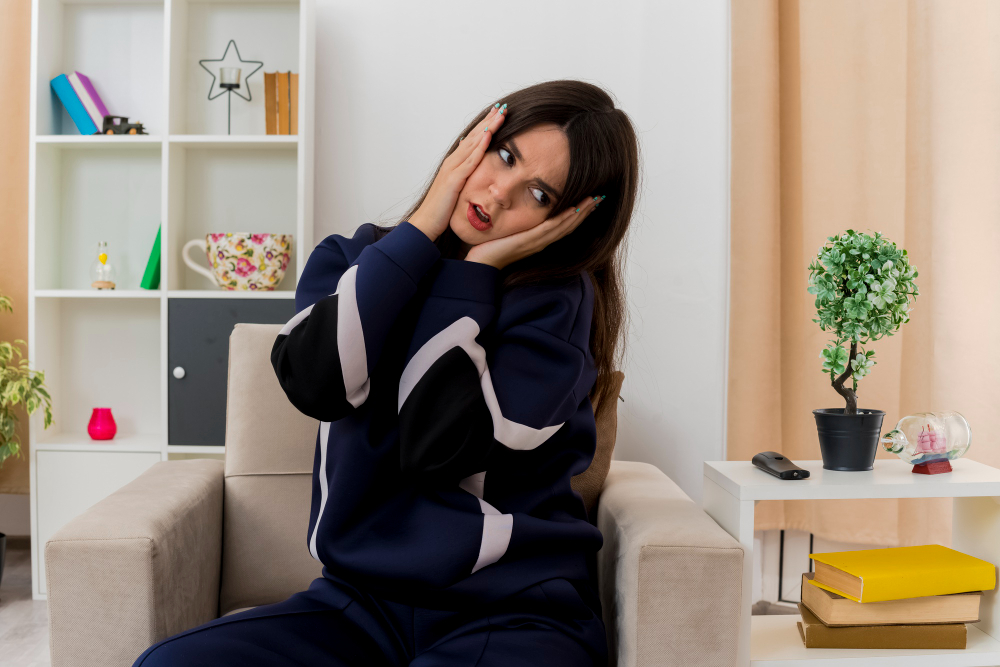
Panic attacks are sudden waves of intense fear or discomfort. They can happen without warning. Many people feel panic attacks even when there is no real danger. These episodes can be very scary, but they are not life-threatening. According to the World Health Organization (WHO), panic attacks are common and can affect anyone. Often, people feel out of control during a panic attack. However, knowing what is happening can help you manage the situation better.
Common Symptoms of Panic Attacks
Panic attack symptoms can feel overwhelming. Yet, knowing what to expect can make them less frightening. Here are some common signs:
Sometimes, these symptoms can feel like a heart attack. But, unlike a heart attack, panic attacks are not caused by heart problems. If you are unsure, it is always best to seek medical help.
How Long Do Panic Attacks Last?
Panic attacks usually start suddenly. Most attacks reach their peak within 10 minutes. In many cases, the symptoms fade within 20 to 30 minutes. Rarely, some symptoms may last longer. However, the intense fear does not last for hours. According to the Centers for Disease Control and Prevention (CDC), panic attacks are brief but can feel much longer. After an attack, you may feel tired or drained. Remember, the feelings will pass, even if they seem scary at the time.
What to Do During a Panic Attack
Knowing what to do during a panic attack can help you feel more in control. Here are some simple steps you can try:
Even though panic attacks feel frightening, they are not dangerous. With practice, you can learn to manage them better. If you have frequent panic attacks, consider talking to a mental health professional. They can help you find the best ways to cope.
Remember: If you ever have chest pain and are not sure if it is a panic attack or a heart problem, seek medical help right away.
Conclusion
Panic attacks can be scary, but they are treatable. Understanding the symptoms, how long they last, and what to do during a panic attack can help you feel more in control. For ongoing support, consult a mental health professional. They can offer advice and treatment tailored to your needs.